There’s a greenhouse problem that’s not unique to 2026, but it sure seems to be coming up in more and more customer conversations as we get into spring production.
PROBLEM: Algae management can be a small nuisance, a major challenge, and everything in between, especially during spring bedding plant season. While managing the lovely green “patina” that your growing spaces and longer-term crops develop may seem like a low priority, algae can be a reservoir for pests such as fungus gnats and shoreflies, interfere with watering and fertilizer applications, and become a physical hazard to employees and customers.
Consider the following strategies and how you can implement them to keep algae from getting out of hand this spring.
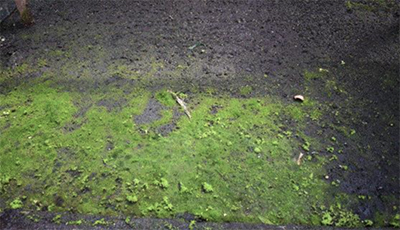
NICK’S TIP: The best approach in the greenhouse to manage algae on your walkways, sidewalls and under benches is to be proactive. While you may have a few dozen things (or more) on your to-do list on any given day, try to always do the following:
• Sweep off growing surfaces and under benches after crops are moved or shipped. Built-up plant debris and growing media can dam up, causing water to puddle, which encourages algae proliferation. Remove the dam to reduce the algae growth.
• Hose off or power wash the freshly swept area after removing debris. Note: Sweeping makes washing go a lot faster. High pressure from your regular hose using a volume-reduction nozzle is a good compromise to breaking out the pressure washer mid-spring. This will blast away algae far better than holding your thumb over the end of the hose.
• Apply a sanitizing agent like Kleengrow, GreenShield, GreenClean or another product that can provide residual protection against algae growth. Though these products don’t last forever, they can greatly increase the amount of time before you need to go toe-to-toe with this slimy, green foe. This means fewer headaches and slipping hazards popping up when you have bigger and better things to worry about during the heat of bedding plant season.
In your crops, we cannot stress enough how much growing on the drier side and ensuring that wet-dry cycles occur regularly in your crops reduces algae growth on the media surface. However, less-experienced growers often water heavier to avoid crop stress. “Watering for the weekend” often means soil stays wet for longer than it should, and some growers just don’t like dry growing. If wet growing media is unavoidable in your greenhouse, try to:
• Close the crop canopy ASAP. The quicker you can get your plants’ foliage to cover bare soil, the less time algae will have to get a foothold.
• Increase air flow through your crops. If you can encourage more rapid drying of the growing media surface, algae will have a much harder time getting established.
As a last resort, apply an algaecide to your crop. Always read the label and follow mixing and application instructions to the letter. Many species of plants can be damaged by the active ingredients in algaecide products if misapplied. However, when applied at appropriate rates, these can be effective tools for remediating severe algae blooms that might make your plants otherwise unsalable.