There’s a critical piece of the propagation puzzle you should know about — dialing in your root-zone temperatures. As cuttings begin to arrive, hopefully these tips help your team prepare.
PROBLEM: Proper management of temps once cuttings are stuck is critical for all propagators, and grouping crops by temp is a good strategy—but if it’s not possible, there are other options to optimize this important element of prop.
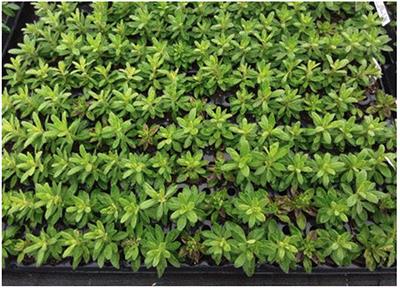
NICK’S TIP: Here are a few considerations and strategies for optimizing rooting temperatures post-stick.
What should the temperature setpoint be? Different genera have varying optimal temperature ranges for rapid rooting. While it’s virtually impossible to provide the precise optimum temperature for everything in a common propagation area, it’s operationally feasible to put crops into two or three groups based on ideal upper and lower temperature ranges (such as warm, moderate and cool.)
Look to culture sheets from different crops’ breeding companies for propagation temps. If overlap occurs for a given crop based on your propagation zone’s setpoint groups (like between moderate and warm), it’s generally more beneficial to put the crop into the warmer of the two if you want faster rooting.
If you are not able to have multiple, independent temperature-controlled zones in the same propagation house, use natural gradients across the house to create rough zones.
Air and soil temperatures are not created equal in the propagation environment. Recommended temp setpoints during Stage Two (callusing) and Three (root initiation) in cultural info for your crops generally refer to soil temperature, if not specified.
How do you deliver and manage root-zone heat? There are many ways to heat a greenhouse, but providing targeted heat during URC propagation can be very beneficial. Maintaining appropriate air temperatures during propagation is critical, but focus on root-zone temperature and supplementing heat to the propagation media wherever possible.
• Under-bench heat pipes or radiant floor heating are excellent first stages to facilitate hitting target air and soil temperatures at the same time.
• If you are propagating on benches over some type of below-crop heating, add a poly skirt to the bottom of your benches to help direct heat upward through your liner trays, rather than letting warm air from below roll up and around the benches.
• If you are propagating with trays directly on heated floors, place some used (but sanitized) plug or liner trays on the floor beneath them. This will create a buffer between liner trays and the heat source directly beneath them and reduce the chance that media will get too hot on days when the heat is running constantly.
• If your propagation area only has forced-air heating, installing heat mats (permanent or temporary) to ensure you are hitting your target root-zone temp can greatly increase your success.
Do not cut corners on systems like this or buy the least expensive option. The more precise your control of root-zone temps and the more reliable your heating system is, the better your success will be.
NOTE: The other factor to account for is your irrigation and mist water temperature. Use tempered water (65 to 70F) whenever possible to avoid unintentionally lowering root-zone temps. Especially while URCs are still fresh (Stage One and Two), crashing the liner media temperature can predispose cuttings to infection from different soilborne fungal pathogens.