Need to Know
-
Industry solutions for growers trying to attract a younger generation.
-
Helping growers not only succeed but thrive in an ever-changing marketplace.
-
It’s about building relationships – with plants, with customers and with the people who make this industry so special.
With a mission to not only help growers cultivate exceptional plants, we also find a need to help growers connect with customers in meaningful, profitable ways. Take a look at these trends we’ll be seeing in 2026. Learn how to engage younger generations into the horticulture industry and cultivate real connections in an ever-changing marketplace.
2026 Trends by Generation
Millennials (29-44 years old)
-
Influenced by brand reliability.
-
Prefer comfort, convenience and education opportunities.
-
Budgets are tighter with less recreational spending.
-
Impacted by housing market and prefer designing with plants (containers, houseplants) vs. digging into landscapes.
Gen Z (13-28 years old)
-
By 2030: projected $12 trillion buying power.
-
Values experiences, human connection, accessibility and self-expression.
-
Prefers in-store shopping (making up for lost time post-COVID).
-
Research businesses/products ahead of time and has less impulse-buying tendencies.
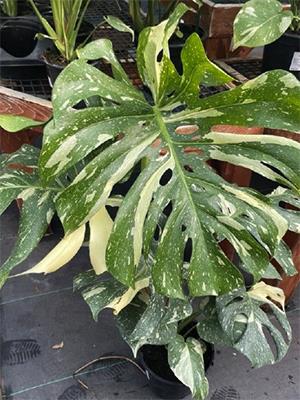
When attracting both generations of Millennials and Gen Z there are a couple of overlapping trends. One of them is FOMO, or Fear Of Missing Out. This trend definitely drives purchases with 60% of people driven by FOMO are buying within a 24-hour timeframe. An example of this would be the Thai Constellation Monstera craze.
Authenticity and education are also very important to both of these generations. Millennials and Gen Z consumers want personal connection and unique ideas. While this plays a significant part in their buying decisions, education also adds value to transactions.
Unique Retail Ideas
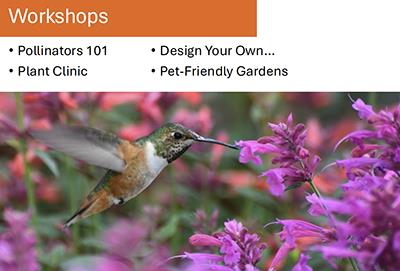
When finding ways to create a sense of FOMO when selling at retail try promoting “first and only” varieties (e.g., Bluephoria mandevilla). Try hosting workshops and events that create buzz. Other ideas:
-
Subscriptions: cut flowers, petunias, perennials, seasonal containers.
-
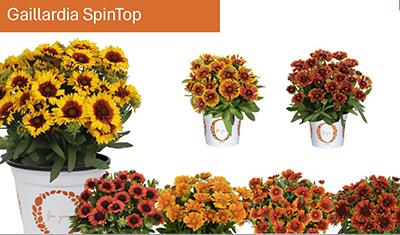
Collector’s Concept: encourage customers to “collect them all” (e.g., Echinacea Sombrero series, Gaillardia SpinTop, Dahlias).
-
Education Initiatives:
-
Pollinator workshops.
-
Plant Clinics (bring in struggling plants for staff help).
-
DIY design workshops (teach rules, then how to break them).
-
Pet-friendly gardens and plant education.
Top New Varieties & Marketing Tips
The top varieties we’ll be seeing in 2026 include:
• Annuals: Monarch Magic (attracts monarchs and butterflies), Top Wave Orange Spreading Pansy (great habit with beautiful color), and 2025 variety Canna Cannova Gold Leopard (sturdy, reliable and leans low maintenance).
• Perennials: Agastache FlutterFriendly Orange (beautiful color and attracts pollinators), Lime Zest Heuchera (showstopping chartreuse with big leaves), Rudbeckia Suntacular (upright habit and a great bicolor).
• Mums: Axio series, Stellar series (two new families of mums).
For tips on the social media side: Be human, be genuine. Remove the “fluff” when posting. There’s nothing worse than to be using AI, adding graphics, etc., when your consumers want to see the real you. Stay authentic: showcase your team, post quick, choppy videos and show those flowers in actual gardens in real conditions.

Growers can thrive in today’s competitive landscape by sharing their stories, whether you’re a family-run greenhouse or a large-scale operation, your origin and values matter. The result will connect with customers in meaningful and profitable ways.